

Why Is My Basement Floor Drain Backing Up in Maple Grove?
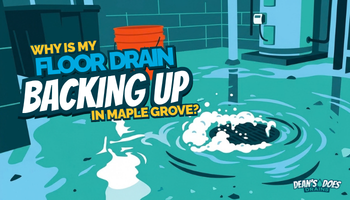 Walking downstairs to find water pooling around the basement floor drain is a sight that would send most Maple Grove homeowners into a panic. When your basement floor drain backs up, the cause can be anything from a grease clog to tree roots pushing water back up through your drain instead of safely out onto the street. Understanding the most common sources of your floor drain backing up in Maple Grove can help you figure out where the problem is and what to do about it before a wet spot in your basement turns into a costly disaster.
Why Basement Floor Drains Back Up
Every drain in your house, including sinks, showers, toilets, and washing machines, flows into the same main sewer line that carries wastewater out to the city sewer under the street. If a clog or restriction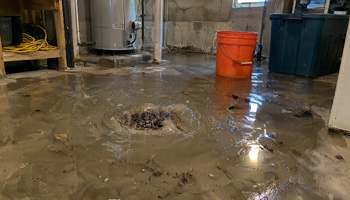 forms along that path, gravity sends the trapped water to the first exit it can find. The basement floor drain is the lowest opening in the house, so it’s the first place water will surface when something downstream gets blocked.
A Main Sewer Line Clog May Be the Cause
The main sewer line is the single pipe that carries everything out of your home. When it clogs, wastewater has nowhere to go, so it builds up and reverses direction. If your floor drain backs up when a toilet flushes or you run a load of laundry, the main line is usually the problem.
Main line clogs often build slowly, causing small warning signs before a full sewer line backup. You might notice slow or gurgling drains throughout the house before you ever see water or sewage coming up from the basement floor drain.
Tree Roots Can Block Underground Sewer Lines
Root intrusion is one of the main causes of recurring sewer backups in Maple Grove homes, especially those with clay or cast iron lines. Roots are drawn toward the moisture and nutrients inside sewer pipes and work their way into tiny cracks and loose joints. Once inside, tree roots in your sewer line grow throughout the pipe until they form a blockage that catches everything passing through.
Grease, Debris, and Buildup Can Restrict Drain Lines
Your everyday morning routine and after-dinner cleanup can also affect your drain lines and lead to basement sewer backups over time. Every time you pour cooking grease down the kitchen sink, it cools and hardens inside the pipe. Soap scum, hair, food scraps, and flushable wipes then stick to that grease, building up layer by layer and eventually narrowing the pipe until nothing can get through.
Why Heavy Rain Can Contribute to Basement Drain Backups
Heavy rain can turn a minor sewer issue into a flooded basement. When runoff from Minnesota’s summer storms or spring snowmelt saturates the ground around your home, the extra water can seep into cracked sewer pipes and put pressure on an already blocked line.
When heavy rain overwhelms the municipal system, it can push water back toward homes with lower elevations or older connections. If your floor drain backs up only during or after a downpour, the timing often signals a damaged pipe or an overloaded sewer that needs professional attention.
How Washing Machines and Other Fixtures Can Reveal a Sewer Blockage
Notice your basement floor drain backing up when the washing machine drains? Your washing machine is often the first fixture to expose a hidden sewer problem. A partial main sewer line clog can often handle the trickle from a faucet, but it can’t keep up when a washing machine empties all at once. The 20 to 30 gallons that come down in seconds is more than the restricted pipe can handle, and if lint enters the line with every load, it only adds to the buildup already narrowing the pipe.
Signs the Problem Is in Your Main Sewer Line
Backups can be caused by a single fixture or involve the entire house. The common signs it’s in your main sewer line include:
- Multiple drains backing up at the same time.
- Using one fixture affects another.
- Sewage odors come from drains or the basement.
- Water rises in the floor drain when you run water anywhere else in the house.
If you notice sewage smells without any water backing up, the drain trap may be the problem. Basement floor drain traps can dry out when they go unused, letting sewer gas drift back into the room. Pouring a bucket of water down the drain is often enough to reseal the trap and stop the smell.
What to Do When Water Comes Up Through Your Basement Drain
When water comes up through your basement drain, acting fast helps limit the mess. Here’s what to do:
Step one: Stop using water
Tell everyone in your household to stop using toilets, sinks, showers, and laundry, and turn off the dishwasher or washing machine.
Step two: Keep people and pets away
Backup water often carries bacteria from raw sewage that can make you sick. Stay away from the area, and wear gloves and boots if you need to be near it.
Step three: Move what you can.
Pull boxes, rugs, furniture, and other belongings out of the wet area to reduce damage.
Step four: Check the sump pump
If your basement floor drain is backing up after rain, make sure the sump pump is running and discharging properly.
Step five: Call a plumber
When a backup stems from your main sewer line, you need professional help to clear it safely.
Why Recurring Floor Drain Backups Need Further Investigation
While one floor drain backup can be a one-off event, two or three is a warning sign of a bigger issue. Recurring backups almost always point to an underlying problem, like root intrusion, sagging pipes, or cracks that let soil and groundwater into the line.
Clearing the same clogged sewer line or basement floor drain repeatedly gets expensive and won’t provide a long-term fix. Finding the root cause saves money in the long run and helps you find a more permanent solution.
How Sewer Camera Inspections Find the Source of a Backup
Sewer camera inspections provide a real-time look into your sewer line to locate roots, blockages, or collapses without any digging. Technicians feed a waterproof camera through the cleanout and along your sewer line to view the inside of the pipe and pinpoint the exact problem. With a clear understanding of what’s going on, plumbers can determine whether you need a simple residential basement drain cleaning or a larger repair.
When Drain Snaking May Clear a Blockage
Drain snaking is the most cost-effective solution for straightforward clogs. Plumbers feed a motorized cable with a cutting head into the line to break up the obstruction and restore flow. It punches a hole through the blockage and is a quick fix for hair, debris, minor root intrusion, and other minor clogs that aren’t coating the pipe walls.
When Hydro Jetting May Be Used for Recurring Buildup
Hydro jetting your sewer line becomes the better option when backups keep coming back. Using high-pressure water, plumbers scrub the inside of the pipe to strip away grease, scale, sludge, and roots that cables leave behind. It’s the best choice if your line has been snaked repeatedly and keeps clogging or a camera inspection shows heavy buildup along the pipe walls.
Keep in mind that not every pipe can handle hydro jetting. Aging or damaged pipes can break or crack when high-pressure water is sprayed inside the line. Plumbers should run a camera inspection first to confirm the line is structurally sound enough to withstand the pressure.
How Damaged Sewer Pipes Can Cause Repeated Backups
If the pipe itself is failing, no amount of cleaning will solve the problem. Clay lines that are common in older Maple Grove homes crack and shift during freeze-thaw cycles, and cast iron corrodes from the inside out. If sections of the line begin to sag or belly, they create low spots where waste collects, causing backups and eventual collapse.
If a camera inspection shows structural damage, you’ll need to either repair or replace the line. Trenchless sewer repairs can restore your line without digging up the yard or driveway, so you don’t have to worry about landscaping damage or costly restoration after the work is done.
How Dean’s Home Services Can Help With Basement Drain Problems
Our home services company has served Twin Cities homes since 1996. We handle every step of a basement drain backup, including emergency sewer line cleaning, camera inspections, preventive drain cleaning, sewer root removal, and trenchless repairs, so you only need to make one call when water starts rising from your basement. With over 100 years of combined experience across our trades, we’ve seen just about every kind of backup a Maple Grove basement can throw at us.
Clear Your Basement Drain Backup With Dean’s Home Services
When water starts backing up in your basement floor drain, there’s no time to waste. Whether you need a main drain cleaning or a full camera inspection, we’re ready to help with drain and sewer service across Maple Grove.
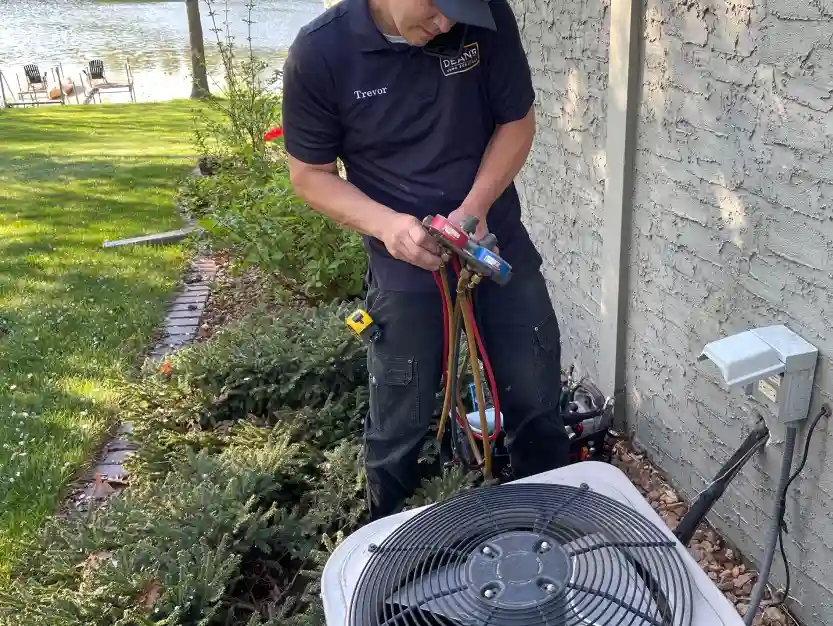
Call us or book online to schedule service today and explore our reviews to see why your neighbors choose our team for services in the Twin Cities. You can also join our Dean’s Club Membership for routine inspections that spot drain clogs before they turn into backups.




- Free annual evaluations
- 10% discount on repairs and equipment
- Priority scheduling
- No regular travel charges
- Discounted after-hours travel charges