
















Heat Pump Installation in the Twin Cities, MN
If you live in the Twin Cities area and need a top heat pump installer near you, look no further than Dean’s Home Services. Our licensed heat pump installation contractors are here to help you benefit from a system that provides year-round comfort. Therefore, you can enjoy energy-efficient heating and cooling. We install and service heat pumps in Minneapolis, St. Paul, and surrounding areas. Read our 5 Star Reviews and contact us today!
At Dean’s, we install:
- Air Source Heat Pumps: These extract ambient heat from outside air and transfer it to warm your home. In the summer, they work in reverse to provide cooling.
- Ductless Mini-Split Heat Pumps: Consisting of separate units for each room, these allow zoning for independent temperature control in different parts of your home.
- Cold Climate Heat Pumps: Are engineered for optimal performance in Minnesota’s cold temperatures, so that your home stays warm and comfortable.
Heat Pump Installation Services in Minneapolis and the Twin Cities
Our contractors are trained in every aspect of the installation process. The right heat pump can provide consistent comfort even during Minnesota’s cold winters. We’re here to guide you through the process and help you make an informed decision on the type, brand, and model, as well as its configuration. Each installation is tailored to your home’s specific heating and cooling needs, and is led by the most experienced heat pump installation contractors.
How Heat Pumps Work in Cold Climate Conditions
Most heat pumps work effectively in moderate climates. They transfer heat via refrigerant in a closed loop system; this alternative to generating heat is highly efficient, especially with inverter technology that manages energy usage. Standard models can be paired with furnaces that switch on when the outside temperature drops below a certain threshold.
However, a cold-climate system can reduce the need for supplemental heating. Variable-speed compressors run at a range of power levels, depending on load requirements, while newer refrigerants allow heat pumps to run more efficiently in colder conditions. Since ice buildup can be problematic, cold-climate heat pumps have built-in defrost cycles to eliminate any ice that forms.
Air Source Heat Pump Installation Options
Depending on the model, a heat pump may be compatible with your existing ductwork, but ductless systems are available. They can include units that mount to walls, while some are ceiling- or floor-mounted.
Other options to match your unique requirements and preferences include:
- Short-Run Ducted Heat Pumps: Use small sections of ductwork to serve part of your home (these often work with ductless systems).
- Air-to-Water Heat Pumps: Connected to radiators or underfloor heating systems, these can also supply your hot water needs.
- Hybrid Heat Pumps: Offer a low-energy option combining a heat pump unit with a high-efficiency gas boiler.
Ductless Heat Pump Installation and Zoned Comfort
Dean’s offers multi-zone home heat pump installation options. A zoning approach lets you take advantage of an outdoor mini-split and indoor units that serve different parts of your home. Units in unused rooms can be turned off, or you can set the preferred temperature without affecting the comfort of people in other spaces, which also saves energy and lowers utility costs.
We install sleek, unobtrusive indoor blower units. These install easily, operate quietly, and run efficiently (30+ SEER for cooling and 13.0 HSPF for heating). Aside from personalized comfort and other benefits, ductless models with zoning support eliminate issues related to leaky air ducts.
Choosing the Right Size Heat Pump System
As with any type of HVAC system, heat pumps are not one-size-fits-all solutions. In the Twin Cities and surrounding areas, we’re all familiar with cold weather, but not every home is built and designed the same. Choosing the right-sized model is extremely important.
Our team takes careful steps during heat pump installation or replacement. They perform a Manual J load calculation to learn your home’s heating and cooling requirements, using a range of factors beyond just square footage. Sizing is a critical part of the process.
Capacities generally range from 1 to 5 tons. An oversized heat pump can turn on and off too quickly, leading to temperature distribution, humidity, and noise issues. If undersized, the system will run constantly yet struggle to keep your home comfortable.
Benefits of Installing a Heat Pump System
Home heat pump installation has become more popular for many reasons. Here are some reasons your investment can be beneficial:
- Greater Efficiency: Much less energy is needed to transfer heat from one place to another than to generate it via combustion.
- Reduced Operating Costs: Aside from lower monthly utility bills, heat pumps provide long-term savings, especially with routine maintenance and use of smart thermostats.
- Heating and Cooling Performance: Heat pumps achieve year-round comfort, often without the need for separate AC and furnace units, which also simplifies your HVAC system.
- Improved Safety: Running on electricity, heat pumps don’t require fuel storage or a natural gas connection; they do not leak carbon monoxide.
- Lower Carbon Footprint: With fewer carbon emissions and minimal dependence on fossil fuels, heat pumps are more eco-friendly than traditional HVAC systems.
- Effective Air Filtration: High-efficiency filtration elements enable heat pumps to improve indoor air quality and minimize air particulates.
- Rebates and Tax Incentives: Federal incentives are available as tax credits for installing heat pumps, while state and utility rebates can lower upfront installation costs.
Energy Efficiency and Year-Round Comfort
Because a heat pump delivers heating and cooling, you’ll see efficiency benefits during every season, not just winter. We provide many different options. An inverter-driven, variable-speed system can meet your home comfort needs and operate in the most extreme temperatures. Working with all brands of heat pumps, we ensure you save energy in hot, cold, and transitional weather, not just during certain times of the year.
Heat Pump vs. Traditional Heating Systems
The upfront investment is higher compared to a traditional system, but a new heat pump installation can lower your fuel and electricity costs. The Department of Energy has reported that it can reduce electricity consumption for heating by up to 75%. If both your air conditioner and furnace need replacement, an HVAC upgrade can save on installation, repair, and maintenance costs. Heat pumps are great for areas with cold winters and mild summers like the Twin Cities.
Our Heat Pump Installation Process Explained
Whether it’s your first system or you need heat pump replacement in Minneapolis or St. Paul, the professionals at Dean’s are here to help. Our friendly office staff sets a date and time for service that works for you. When our technicians promptly arrive, they assess your home heating and cooling needs and explain your options.
You can then choose from brands and models that best suit your needs. Our contractors handle the planning, scheduling, and permitting process. You’ll also receive a clear, upfront estimate that includes all project costs, including equipment and labor. We handle all system installation and testing to ensure flawless year-round performance and immediate energy savings.
Common Installation Mistakes to Avoid
Installing a heat pump system improperly can reduce efficiency and shorten the system’s life. At Dean’s Home Services, our team prioritizes quality workmanship and customer satisfaction, taking care to avoid these common mistakes:
- Oversizing/Undersizing: Home HVAC systems are often incorrectly sized, leading to increased strain and higher energy bills. A proper assessment enables us to find the perfect system for your home.
- Inadequate Clearance: If a heat pump is installed in too tight a space, air circulation can be affected. The system can overheat, but leaving at least 24 inches of clearance can protect the unit. This can also reduce noise and frost.
- Insufficient Refrigerant Charging: A low refrigerant charge can strain the system, increasing energy costs and the risk of failures. If there’s too much refrigerant, the compressor could be damaged.
- Unsuitable Model: We carefully consider the best model for your needs. If it’s not suited for your local climate, you may still rely on a furnace for backup heat. Inverter-driven systems can be rated for conditions as cold as -22℉.
- DIY Installation: Have your heat pump installed by a certified professional. Otherwise, you run the risk of poor efficiency, performance issues, and refrigerant leaks. You could also end up voiding the manufacturer’s warranty.
Maintaining Performance After Installation
Aside from heat pump installation in the Twin Cities, Dean’s provides maintenance and repair services. Our technicians have the tools and expertise to inspect all major brands of heat pumps. If they find any issues, they can make quick repairs, while cleaning and adjusting your heat pump keeps it running smoothly.
You can also take steps to maintain performance and efficiency. These include checking and cleaning/replacing filters (they should be changed at least every 90 days). You should also:
- Maintain clearance around the outdoor unit.
- Remove obstructions from vents and registers.
- Check the condensate drain for clogs.
- Avoid setting the thermostat too high or too low.
- Maintain a consistent temperature setting.
Why Homeowners Choose Dean’s Home Services
Dean’s is the go-to heat pump installation contractor in the Minneapolis area. We’re licensed, bonded, and insured, and our technicians are highly trained. Our team ensures a smooth installation process, helps you understand your options, and is respectful of your home and your time. Family-owned and operated, we also guarantee 100% customer satisfaction.
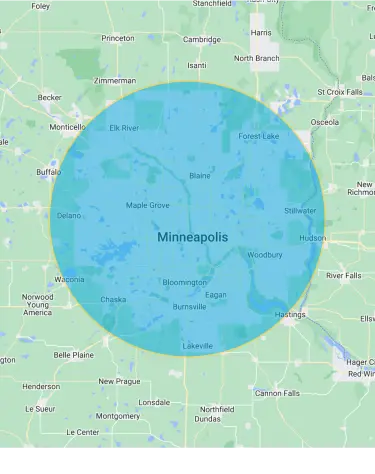
Serving Minneapolis and the Entire Twin Cities Area
Update your HVAC system with an energy-efficient heat pump system. To learn more and choose Dean’s Home Services for heat pump installation in Minneapolis, contact us today.
Frequently Asked Questions About Heat Pump Installation
Is Installing a Heat Pump in Minnesota Worth It?
Yes, a heat pump is worth it, as you’ll get highly efficient heating in winter and cooling in warm summer weather. Lower energy bills, compact designs, and improved heat distribution and air quality are other reasons it’s worth considering a heat pump.
Will a Heat Pump Completely Eliminate the Need for a Furnace?
A heat pump can replace your furnace. However, this depends on a few factors. The system may not keep up in extreme cold, so you may need a backup furnace, unless you install a cold-climate heat pump rated for the coldest conditions in your area.
How Do Heat Pumps Deliver Heat in Sub-Freezing Temperatures?
Even air below 32℉ has enough heat for a system to work with. Specialized refrigerants, gas compression, and variable-speed inverters help amplify latent heat. Advanced features enable heat pumps to handle some of the biggest seasonal temperature variations.
Is a Heat Pump Suited for Any Twin Cities Home?
We provide heat pump system installation in single-family homes, one-story and multi-level properties, and residences of any size. Our contractors also work in townhouses and condos, with or without ductwork, and provide customized solutions.
How Long Can Heat Pumps Last?
Most systems last 10 to 15 years. If it’s well-maintained, a high-quality model can still be running at 20 years old. Follow the contractor’s or manufacturer’s maintenance and usage recommendations to get the most life out of your heat pump.
Request Service
- Free annual evaluations
- 10% discount on repairs and equipment
- Priority scheduling
- No regular travel charges
- Discounted after-hours travel charges