

What to Do If Your Pipes Freeze in Minnesota
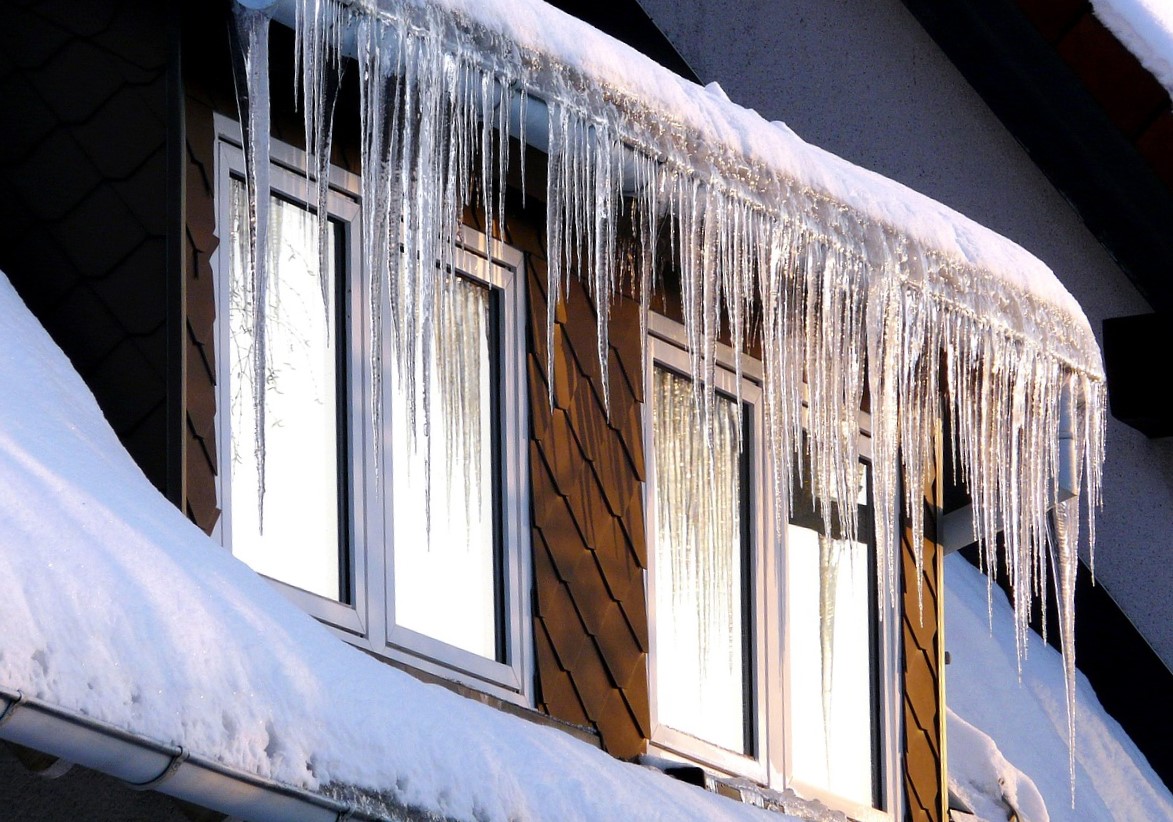
The Twin Cities area is notorious for brutal winters, and it’s not just about frostbitten fingers. When you’ve got frozen pipes in Minnesota, every minute counts. By learning about what to do when pipes freeze, and knowing when to call a plumber for frozen pipes, you can leap into action to prevent a minor inconvenience from bursting into thousands of dollars in water damage.
Why Pipes Freeze — and What Happens When They Do
Minnesota homeowners can face several plumbing challenges when winter hits and temperatures plummet.
Frozen ice can block your pipes
The water inside your pipes can freeze solid, and when it does, it expands by about 9% of its original volume. When ice forms inside a pipe, it creates a blockage that traps water between the ice plug and a closed faucet downstream. As more water tries to freeze or as the trapped liquid contracts and expands, pressure builds dramatically in that confined space.
While flexible pipes like PEX can tolerate freeze-thaw cycles better than rigid copper, they are not immune. PEX pipes can still fail when pressure builds sufficiently or after repeated freezing events. Often, the real damage appears after the ice thaws, when water begins flowing through newly formed cracks and fractures.
Where Minnesota homes are most vulnerable
The most vulnerable spots include:
- Pipes running through exterior walls
- Attics with inadequate insulation
- Unheated crawl spaces
- Basement areas along foundation walls
- Pipes in attached and detached garages
The risk of burst pipes increases significantly when temperatures drop below 20 degrees, particularly if those conditions persist for several hours. In Minnesota winters, we often experience temperatures below zero, further intensified by wind chills. That’s why recognizing the telltale signs of frozen pipes and acting fast makes all the difference.
Immediate Steps When You Suspect a Frozen Pipe
Time is your enemy when dealing with potentially frozen pipes. Taking swift, methodical action can prevent burst pipes in cold weather.
- Shut off the water supply at the main valve to reduce the risk of flooding if pipes burst. If you’re not sure where this valve is located, find it now before you need it in an emergency.
- Locate the frozen section, starting your investigation where water flow has stopped. Turn on the faucet and trace the supply line backward, looking for exposed pipes or exterior walls in unheated areas.
- Relieve pressure by opening a faucet served by the suspected pipe to allow flow when thawing. This can help reduce the chance of a rupture.
- Thaw frozen pipes safely using a hair dryer, moving it constantly to avoid concentrating heat in one spot. Heat tape works well, too, or warm the entire area with a nearby space heater (without touching the pipe). Never use a blowtorch or any open flame.
- Look carefully along the entire length of the pipe for any signs of moisture, drips, or wet spots. Even if the pipe didn’t burst visibly, freezing can weaken it.
When You Should Call a Plumber
Some situations go beyond what is safe to handle as a DIY repair. Calling Minnesota frozen pipe repair professionals might cost a few hundred dollars for pipe thawing work. Compare that to the potential cost of repairing a burst pipe, replacing water-damaged flooring and drywall, remediating mold, and losing irreplaceable personal belongings.
You notice signs of burst of damaged pipes
If you see water actively leaking from any pipe, notice a visible bulge or deformation, or discover water damage on walls or ceilings, stop what you’re doing and call a plumber immediately. Water damage compounds quickly, growing into a mold problem within as little as 24 hours.
The freeze is hidden or inaccessible
Sometimes frozen pipes hide inside walls, under concrete slabs, or in other spots you simply cannot reach. If you’ve identified where the freeze is but can’t safely access it, you need professional help. Pipes inside walls can develop micro-cracks or material fatigue from the freeze event that won’t be obvious until a licensed plumber inspects them with proper diagnostic tools.
DIY thawing doesn’t work
You’ve tried the hair dryer, you’ve waited patiently, but water still isn’t flowing. This could mean the freeze is more extensive than you thought, or it might indicate damage that’s preventing normal flow. Either way, it’s time to bring in someone with diagnostic tools and experience.
Safety and liability are a concern
According to the League of Minnesota Cities, unsafe thawing methods can contribute to increased risk of house fires and additional water damage. If you’re unsure about any step of the process, or if the frozen section is near electrical wiring or in a confined space, professional help is the responsible choice.
Preventative Measures for Minnesota Winters
The best approach to frozen pipes is to make sure they never freeze in the first place. Follow these winter plumbing tips for Minnesota residents in the fall, and you can save yourself from considerable trouble once winter arrives.
- Set your thermostat no lower than 55 to 60°F if you’re away. You’ll pay a bit more for heating, but that’s far less expensive than dealing with frozen pipes.
- Insulate vulnerable pipes using foam sleeves and heat tape, especially in crawl spaces, attics, and along exterior walls.
- Keep water moving, especially along exterior walls. Moving water is much harder to freeze than standing water, and a slow drip can relieve pressure buildup in many cases.
- Improve warmer air circulation by opening cabinet doors under sinks on exterior walls. This can prevent freezing in kitchen and bathroom pipes that might otherwise be trapped in cold cabinet spaces.
- Before the first hard freeze, disconnect all garden hoses and drain outdoor faucets. Any water left in hoses or outdoor spigots will freeze and can create pressure that damages not just the exposed fixtures but also pipes inside your walls.
- If you’ll be away for an extended period, consider investing in smart home water sensors that alert you to potential problems before they become catastrophes.
- Run through a pre-winter inspection checklist before cold weather arrives. Taking an hour to double-check the points above in October can prevent panic in January.
When Prevention Fails: A Twin Cities Homeowner’s Experience
Let’s walk through a hypothetical example that illustrates why quick action matters.
Meet Sarah, a Minnesota homeowner who woke up one morning in January during a particularly brutal cold snap. When she turned on her kitchen faucet to make coffee, nothing happened. Sarah remembered reading about how to stop pipes from freezing and immediately suspected the pipe running along her kitchen’s exterior wall had frozen.
She shut off the main water supply, traced the kitchen line down to her basement, and found a section of exposed copper pipe in the crawl space with visible frost. Sarah opened the kitchen faucet to relieve pressure and used a hair dryer to warm the frozen section. After about 20 minutes, she heard a gurgling sound, and water began flowing again.
Even though the immediate crisis seemed resolved, Sarah called a plumber to inspect the pipe. The technician identified a stress joint in the frozen pipes that would’ve likely failed within months. He repaired it on the spot and helped Sarah add insulation to that crawl space to prevent future freezes.
Sarah’s quick thinking and willingness to call a professional saved her from potential disaster. The service call and insulation cost her about $400. A burst pipe with water damage to her kitchen cabinets and flooring could have easily run $10,000 or more.
Don’t Wait Until It’s Too Late
Frozen pipes don’t have to be an inevitable part of Minnesota winters. With proper preparation, quick action when problems arise, and professional help when you need it, you can keep your plumbing flowing and your home protected all season long.
If you’re currently dealing with frozen pipes, or if you want to prevent problems before they start, contact us at Dean’s Home Services. Our licensed plumbers have been helping Twin Cities homeowners navigate Minnesota winters since 1996. Let us help you winterize your plumbing before the next deep freeze arrives.




- Free annual evaluations
- 10% discount on repairs and equipment
- Priority scheduling
- No regular travel charges
- Discounted after-hours travel charges