

How Often Should You Charge Your Home AC Unit With Refrigerant?
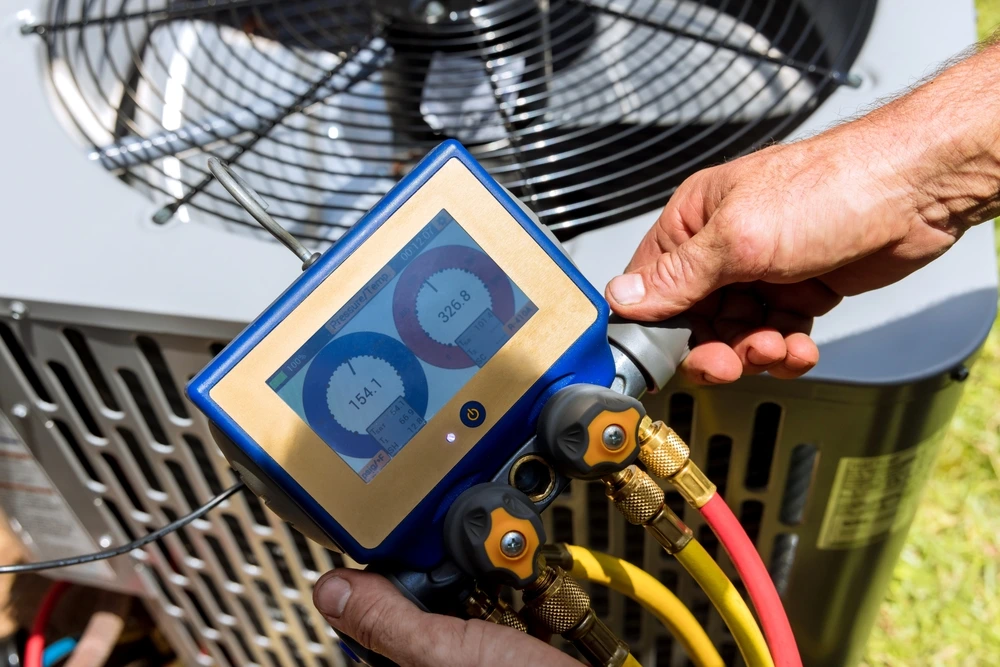
One of the most common AC questions we get at Dean’s is how often refrigerant should be charged in an ac unit. The answer for an ideal scenario: never. A properly installed, leak-free AC system should never need routine recharging. The only valid reason to recharge AC refrigerant is after a leak has been located and sealed.
Here’s how it breaks down:
-
New Systems (Post-2025): Using R-32 or R-454B, these systems are built for tighter seals and improved longevity. Many run 10+ years with no issues.
-
Older Systems (R-410A): May develop slow leaks after 8–12 years due to corrosion or wear.
-
Frequency Guideline: Recharge only after a professional confirms a leak and performs repairs. Avoid “annual top-offs,” which can cause overcharging and damage your compressor.
Ignoring leaks can void warranties, reduce cooling capacity, and increase your power bills.
What Is Refrigerant and Why Does It Matter in Your Central AC?
Refrigerant is the lifeblood of your air conditioning system. It’s the chemical compound responsible for absorbing heat from inside your home and releasing it outdoors. This process, called the refrigeration cycle, allows your AC to cool the air efficiently.
Common refrigerants include:
-
R-410A (Puron): Standard in systems built before 2025; efficient but with a higher global warming potential (GWP).
-
R-22 (Freon): Phased out due to ozone impact; still found in very old systems.
-
R-32 and R-454B: The new standard as of January 2025—more eco-friendly and designed for high efficiency.
Your AC’s refrigerant operates in a closed, sealed system—it doesn’t get “used up” like fuel or oil. If refrigerant levels drop, it means there’s a leak somewhere in the system, not normal depletion. Routine “topping off” refrigerant without repairing the source of the leak can cause long-term damage, higher energy costs, and environmental harm.
AC Refrigerant Does Not Need Regular Recharging
This is a crucial point many homeowners don’t realize: Central air conditioning systems do not need regular refrigerant recharging.
Recharge Only When Necessary—Fix Leaks First, Refill Second
Refrigerant does not evaporate, deplete, or “run out” under normal operation. It circulates continuously through a sealed loop. The only time your system should need additional refrigerant is when a leak allows it to escape. If you’re told you need an annual recharge, that’s a red flag. Instead, ask your technician to inspect for leaks. The U.S. Environmental Protection Agency (EPA) requires that leaks be repaired before adding refrigerant, because releasing it into the atmosphere is both illegal and environmentally damaging.
In short:
-
No leak = no need for recharge.
-
Low refrigerant = leak that must be repaired before recharging.
By staying proactive with maintenance and relying on certified HVAC professionals, you’ll ensure optimal efficiency, lower energy costs, and longer system life—without unnecessary “top-off” services.
If your AC isn’t cooling properly, schedule a professional inspection today to detect leaks early and keep your system running strong all summer long.
Does Your Central AC Lose Refrigerant Naturally?
No. A well-maintained system does not lose refrigerant over time. The idea that refrigerant “runs low” every year is a common myth. Modern HVAC systems are designed as sealed, pressurized systems—similar to your refrigerator.
Leaks, however, can develop over time from:
-
Corrosion on coils or fittings
-
Vibrations loosening joints or valves
-
Damage from debris, animals, or poor installation
If a leak occurs, recharging without fixing it is just a temporary bandage. Always insist on leak detection and repair first.
Signs Your Central AC Is Low on Refrigerant
Low refrigerant forces your system to work harder, leading to poor performance and potential compressor damage. Warning signs include:
-
Longer cooling times or uneven temperatures
-
Warm or weak airflow from vents
-
Ice buildup on the evaporator coil or refrigerant lines
-
Hissing or bubbling noises (indicating a leak)
-
Higher energy bills
-
Water pooling indoors after coils defrost
-
Unusual chemical odors
If you notice two or more of these, turn off your AC and call a certified HVAC technician for diagnosis.
The Cost of Recharging Your Central AC
Recharging a central AC system depends on refrigerant type, system size, and labor. However, the more important—and often costlier—step is repairing the leak before recharging.
-
Refrigerant Cost: $40–$90 per pound (R-410A); newer refrigerants may cost slightly more.
-
Labor: $100–$200 for diagnosis, leak detection, and recharging.
-
Repairs: Coil or line replacement may add $500–$1,000+.
If your system uses older refrigerants like R-410A or R-22, future prices will continue to rise as supplies phase out.
Preventive Maintenance to Avoid Leaks and Unnecessary Recharges
The best way to avoid refrigerant issues is proactive maintenance. Here’s a homeowner checklist:
AC Maintenance Checklist
| Maintenance Task | Frequency | Why It Helps |
|---|---|---|
| Change air filters | Every 1–3 months | Prevents coil strain and overheating. |
| Clean outdoor unit | Annually | Reduces corrosion risk from debris and moisture. |
| Clear condensate drain lines | Annually | Prevents water buildup that can damage components. |
| Schedule professional tune-ups | Twice a year (spring/fall) | Technicians check refrigerant pressure and fittings. |
| Keep area around unit clear | Ongoing | Protects from plant or pest damage. |
| Inspect for visible damage | Monthly | Catches rust, bent fins, or leaks early. |
Regular service appointments often include refrigerant pressure checks, coil cleaning, and electrical inspections—key for preventing leaks before they start.
Central AC Refrigerant Charging FAQs
How do I know if my AC needs refrigerant?
If you notice warm air, ice on coils, or hissing noises, call a professional—those are signs of a leak.
Can I recharge my AC myself?
No. Only EPA-certified technicians can handle refrigerant legally and safely.
Does refrigerant expire or wear out?
No. It lasts indefinitely in a sealed system.
Should I add refrigerant every summer?
Absolutely not—unless there’s a verified leak that’s been repaired.
Will my warranty cover a refrigerant leak?
Usually, yes if it’s due to a manufacturing defect, but not for neglect or external damage.




- Free annual evaluations
- 10% discount on repairs and equipment
- Priority scheduling
- No regular travel charges
- Discounted after-hours travel charges